
Greenwich, CT Car Accident Lawyers
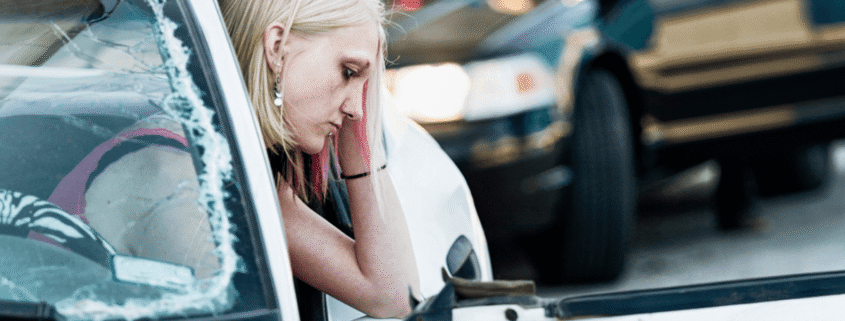
A serious car accident in Greenwich can upend your entire life in a matter of seconds. Between mounting medical bills from local facilities like Greenwich Hospital, missed time at work, and the physical pain that follows a severe crash, the stress can feel impossible to manage on your own. When you are dealing with the aftermath of a severe collision, navigating the complex legal and insurance landscape should not be an additional burden on your shoulders.
Why Do So Many Car Accidents Happen in Greenwich, CT?
Car accidents frequently occur in Greenwich due to a unique combination of heavy commuter traffic, aging highway infrastructure, and busy commercial corridors. Local roadways carry volumes of vehicles far exceeding their original design capacity, creating hazardous conditions that consistently lead to severe collisions and significant injuries for residents and visitors alike.
Greenwich sits at the crossroads of some of Connecticut’s busiest and most dangerous roadways. As a major thoroughfare connecting New York to the rest of Fairfield County, the local infrastructure is under immense daily strain. I-95 runs directly through town and is notorious for congestion-related crashes, particularly near Exit 3 at Arch Street and Exit 5 at the Putnam Avenue merge. This interstate was originally built to handle roughly half of the traffic it carries today, which regularly produces multi-vehicle pileups, severe rear-end collisions, and catastrophic accidents involving commercial tractor-trailers.
The Merritt Parkway adds another distinct layer of risk for Fairfield County drivers. With its narrow lanes, tight curves, lack of adequate shoulders, and outdated design elements, the parkway compounds traffic problems, particularly during morning and evening rush hours when speeds fluctuate rapidly and unpredictably.
Within the town limits, local traffic patterns also contribute heavily to collision rates. Specific high-risk areas in Greenwich include:
- Greenwich Avenue and Railroad Avenue/Bruce Park Avenue: Identified as the single most dangerous intersection in Greenwich, with a highly documented history of severe crashes over the past decade.
- Greenwich Avenue and Elm Street: This prominent downtown intersection continues to see high crash numbers despite a recent redesign aimed at improving pedestrian and driver safety.
- S. Route 1 (East and West Putnam Avenue): Known locally as a highly crash-prone and pedestrian-dangerous roadway, particularly near busy retail centers and parking lot entrances.
- Putnam Avenue and Mason Street: A well-known trouble spot plagued by heavy congestion, aggressive driving behaviors, and complicated turning patterns.
These local patterns matter profoundly for your legal claim because they establish critical context. An accident at a known high-crash intersection or a poorly designed roadway strengthens the argument that dangerous conditions or predictable driver negligence contributed directly to the collision. Our legal team uses local crash data, Greenwich Police Department reports, and thorough traffic analysis to build the strongest possible case for our clients.
What Should I Do After a Car Accident in Greenwich?
Following a car accident in Greenwich, your immediate priorities are securing physical safety, contacting local law enforcement, and seeking prompt medical evaluation. Move to a secure location if possible, dial 911 to bring the Greenwich Police Department, and go to Greenwich Hospital, even if you feel unharmed.
The adrenaline rush that follows a high-impact crash can easily mask the immediate symptoms of serious physical trauma, such as internal bleeding, soft tissue damage, or concussions. It is vital to seek medical attention immediately, whether that means taking an ambulance directly from the scene on I-95 or visiting an urgent care center in Fairfield County for a comprehensive evaluation. Delaying medical care not only risks your physical health and recovery but also gives insurance companies a powerful reason to argue that your injuries were not actually caused by the crash, or that they are not as severe as you claim.
Calling the police is equally critical to the foundation of your future case. Responding officers from the Greenwich Police Department or the Connecticut State Police (if the crash occurred on a highway) will create an objective, standardized accident report. This report documents weather conditions, road geometry, driver statements, and independent witness accounts. Be highly cooperative with first responders, but avoid apologizing, admitting guilt, or speculating on what happened, as these statements can be misconstrued as admitting legal fault.
If you are physically capable and it is safe to do so, taking specific actions at the scene can protect your future personal injury claim:
- Take clear, high-resolution photographs of all vehicle damage, license plates, and their final resting positions before they are moved out of the roadway.
- Capture images of the surrounding road conditions, including skid marks, weather conditions, obscured traffic signs, or road debris.
- Request the names and reliable contact information of any eyewitnesses who stopped to help or saw the collision occur.
- Consult a qualified personal injury lawyer before providing any recorded statements to the other driver’s insurance adjuster.
Proving Liability and Gathering Evidence in Fairfield County
To succeed in a personal injury claim in Connecticut, you must prove four distinct legal elements: that the at-fault party owed you a duty of care, that they breached that duty through careless or wrongful conduct, that this breach directly caused your injuries, and that you suffered actual, verifiable damages as a result. Strong, indisputable evidence is the absolute foundation of every successful car accident case.
Building a compelling negligence case requires gathering and presenting the right evidence before it disappears or is destroyed. Our legal team conducts thorough, independent investigations that go far beyond the initial police report. This includes securing comprehensive medical records from Greenwich Hospital, Stamford Hospital, or other treating facilities, interviewing eyewitnesses while their memories are fresh, and working collaboratively with accident reconstruction professionals when the mechanics of the crash are disputed.
In many local Greenwich cases, physical evidence extends significantly beyond the damaged vehicles themselves. Whether your accident happened on the heavily trafficked Post Road, in a cramped parking lot off of East Putnam Avenue, or at a busy intersection in the downtown commercial district, we frequently work to obtain traffic camera footage and surveillance video from nearby businesses. This video evidence is often the key to establishing exactly what happened and unequivocally proving who had the right of way.
Insurance companies and their defense attorneys will look for every possible way to shift blame onto you or downplay the severity of the crash. We anticipate these aggressive tactics from day one and painstakingly prepare evidence that clearly demonstrates the other party’s responsibility, leaving no room for doubt about who was at fault.
How Does Connecticut’s Modified Comparative Negligence Law Affect My Claim?
Connecticut’s modified comparative negligence law allows you to recover financial damages even if you share some blame for the collision, provided your level of fault is fifty percent or less. Your final compensation award will simply be reduced by the specific percentage of legal responsibility assigned to your actions.
Codified under Connecticut General Statutes section 52-572h, this legal standard is highly relevant and frequently contested in complex Fairfield County auto accidents. For example, if a judge or jury awards you $100,000 for your injuries but determines you were 20 percent at fault for speeding slightly above the posted limit on the Merritt Parkway, your total compensation will be proportionally reduced by 20 percent, leaving you with $80,000. However, if your fault is determined to exceed 50 percent, you are legally barred from recovering anything at all from the other driver.
Insurance adjusters are heavily trained on this specific state statute. They routinely try to inflate your share of the blame to reduce what they ultimately owe you, actively looking for any minor traffic infraction, momentary distraction, or innocent misstatement on your part. They may argue that you failed to brake in time, that you were distracted by your phone, or that you were driving too fast for the weather conditions.
This is exactly why skilled legal representation matters so immensely. A knowledgeable attorney can aggressively push back against unfair fault allocations, utilize expert testimony, and ensure the investigation accurately reflects the other driver’s primary negligence rather than falling victim to insurance company tactics.
What Types of Compensation Can I Recover After a Greenwich Auto Collision?
Injured individuals in Connecticut can pursue both economic damages for quantifiable financial losses and non-economic damages for personal suffering. This encompasses compensation for medical expenses, lost wages, diminished earning capacity, ongoing physical pain, emotional distress, and the overall loss of enjoyment of your life following the crash.
Economic damages serve to directly reimburse you for out-of-pocket costs and verifiable financial setbacks caused by the negligence of the other driver. This includes your emergency room bills, ongoing physical therapy sessions, surgical costs, prescription medications, and modifications to your home or vehicle if you suffer a disabling injury. It also includes reimbursement for the income you lose while recovering, as well as compensation for diminished earning capacity if you cannot return to your previous line of work or must take a lower-paying job due to physical limitations.
Non-economic damages account for the less tangible, but often much more devastating, impacts of a severe collision. These damages cover physical pain and suffering, mental anguish, loss of enjoyment of life, emotional distress, and permanent disfigurement or scarring resulting from the crash or subsequent surgeries. Our attorneys meticulously evaluate every single dimension of your past, present, and future losses to pursue the absolute maximum financial recovery available under Connecticut law.
Depending on the specific severity and circumstances of the crash, you may be entitled to comprehensive compensation for:
- Past, present, and projected future medical treatment directly related to the crash.
- Lost income from missed days, weeks, or months at work during your physical recovery.
- Property damage repair or full replacement costs for your vehicle.
- Emotional and psychological trauma, including medically diagnosed anxiety, depression, or Post-Traumatic Stress Disorder (PTSD).
- In rare, highly specific cases involving especially reckless or egregious conduct, punitive damages may be awarded by the court to punish the wrongdoer.
How Long Do I Have to File a Personal Injury Lawsuit in Connecticut?
Under Connecticut General Statutes section 52-584, you generally have exactly two years from the date of your injury to file a formal personal injury lawsuit. Missing this strict statutory deadline almost always results in the permanent, irreversible forfeiture of your legal right to seek financial compensation for your damages.
This two-year window, widely known as the statute of limitations, is a rigid and unforgiving cutoff. No matter how clear and obvious the other driver’s liability is, or how financially and physically devastating your injuries may be, failing to formally file a lawsuit within this precise timeframe will result in your case being dismissed by the court.
While you may feel you have plenty of time if you are still within that two-year window, critical evidence can deteriorate quickly, and witnesses’ memories can fade or they may relocate out of Fairfield County. Furthermore, certain specific exceptions can actually significantly shorten this window depending on the circumstances of the crash. For example, if a municipality, state government vehicle, or local agency was involved in the collision, you are required to file a formal notice of intent to sue much earlier than the two-year mark. Acting sooner rather than later always strengthens your legal position and allows your attorney to preserve vital evidence.
Common Injuries Sustained in Greenwich Auto Accidents
The advanced speed capabilities of modern vehicles and the daily, heavy congestion on local highways mean that collisions in our area often occur with immense, devastating force. Accidents in Greenwich frequently result in severe physical injuries ranging from painful soft tissue damage to profound, life-altering trauma that requires years of specialized medical intervention. The severity of an injury depends heavily on factors like the specific type of collision, the speed of impact, vehicle size disparity, and whether the victim was a driver, passenger, or pedestrian.
High-impact crashes, particularly those occurring at high speeds on the Merritt Parkway or involving massive commercial trucks on I-95, frequently cause serious orthopedic fractures. These broken bones may require immediate emergency surgery, the installation of permanent metal hardware, and extended, painful physical rehabilitation.
Even what seems like a relatively minor head impact against a steering wheel, window, or deployed airbag can result in a Traumatic Brain Injury (TBI). TBIs may lead to persistent, debilitating headaches, significant memory problems, cognitive difficulties, and sweeping personality changes that profoundly disrupt your daily life and relationships. Additionally, whiplash and other severe soft tissue injuries are incredibly common in rear-end collisions on Route 1.
These injuries deeply affect muscles, tendons, and ligaments in the neck and back, and the painful symptoms can sometimes be delayed by hours or even days following the initial impact. Damage to the spinal cord is among the most catastrophic outcomes, potentially causing partial or complete paralysis, fundamentally altering a person’s life, and requiring long-term, specialized medical care and home modifications.
Frequently Asked Questions (FAQs) About Car Accident Claims in Greenwich
How long will my car accident case take to resolve?
The timeline varies depending on the complexity of your injuries, the willingness of the insurance company to negotiate fairly, and whether litigation becomes necessary. Straightforward claims may settle in a few months, while more complex cases filed in the Stamford-Norwalk Judicial District can take a year or longer to reach a final resolution.
Should I accept the insurance company’s first settlement offer?
Almost never. Initial offers from insurance companies are typically far below the true, comprehensive value of your claim and are designed to close the file as cheaply as possible. Having a qualified attorney review any offer before you accept ensures you fully understand what your case is actually worth.
What if I was partially at fault for my accident in Greenwich?
Connecticut’s modified comparative negligence law allows you to recover compensation even if you share some blame, as long as your fault does not exceed 50 percent. Your final financial award will simply be reduced by your specific percentage of responsibility, meaning you can still receive significant compensation.
Can I still file a claim if my accident happened several months ago?
Yes, you generally have two years from the exact date of your accident to file a formal personal injury lawsuit in Connecticut. While you still have time if you are within that specific window, physical evidence can deteriorate and memories can fade, so acting sooner always strengthens your legal position.
What should I bring to my free consultation with The Dodd Law Firm?
Bring any documents related to your accident and injuries, including Greenwich Police Department reports, medical records from local hospitals, photographs of the scene, insurance correspondence, and a written account. If you do not have all of these items, we can easily help you obtain them.
Do most personal injury cases in Greenwich actually go to trial?
No. The vast majority of personal injury cases settle through formal negotiation before they ever reach a courtroom at the Stamford Superior Court. However, our attorneys prepare every single case as if it will go to trial, which puts heavy pressure on insurance companies to offer a fair settlement.
What if the at-fault driver who hit me is completely uninsured?
If the negligent driver lacks insurance, you may be able to file a claim under your own auto insurance policy’s Uninsured/Underinsured Motorist (UM/UIM) coverage. An attorney can thoroughly review your specific policy language to identify all available avenues for financial recovery.
How is fault determined in a multi-vehicle crash on I-95?
Fault in multi-car pileups is determined by carefully analyzing police reports, highway traffic camera footage, vehicle damage patterns, and independent witness statements. Connecticut’s comparative negligence rule allows fault to be divided among multiple drivers based on their specific level of responsibility.
How The Dodd Law Firm Supports Injured Residents
A personal injury claim can feel incredibly overwhelming, especially when you are desperately trying to deal with physical pain, frequent medical appointments, and lost income all at the exact same time. Our firm is purposefully built to carry that heavy legal and administrative burden for you. Our goal is simple: to aggressively fight for every single dollar you are owed under Connecticut law so you can focus entirely on healing and rebuilding your life. If you or someone you love has been injured in a serious car accident in Greenwich, Cos Cob, Old Greenwich, Riverside, or anywhere in Fairfield County, The Dodd Law Firm is ready to help you navigate this difficult time.
Take the first critical step toward securing your future and protecting your rights. Schedule your free consultation by connecting with us online or calling us.
