
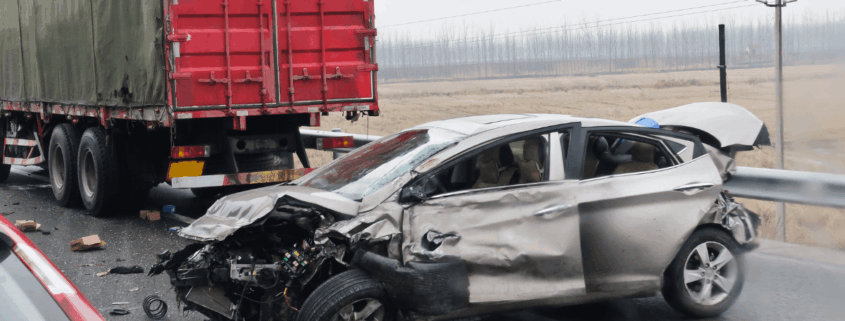
Manchester, CT Commercial Trucking Accident Lawyers
A commercial trucking accident can be a life-altering event. While a collision with another passenger vehicle is certainly serious, the sheer size and weight of a commercial truck mean the consequences of a crash are often catastrophic for those in smaller cars. This is particularly true in Manchester, Connecticut, where busy roadways like I-84, I-384, and local arteries are constantly shared with large commercial vehicles. When you’re dealing with severe injuries, mounting medical bills, and the emotional fallout of such an event, the legal complexities can feel overwhelming.
What Makes Truck Accidents So Different from Car Accidents?
While all motor vehicle accidents involve a certain degree of negligence and injury, truck accidents introduce a unique layer of complexity. The differences are not just about the size of the vehicles, but also about the regulations, the number of potential at-fault parties, and the sheer scale of the damages.
- Federal and State Regulations: Commercial trucks are governed by a complex web of federal and state laws, enforced by the Federal Motor Carrier Safety Administration (FMCSA). These regulations dictate everything from how many hours a driver can be on the road to the frequency of vehicle inspections.
- Multiple Liable Parties: In a typical car accident, you are usually dealing with one other driver. In a truck accident, you might be able to pursue a claim against multiple parties, including the truck driver, the trucking company, the truck’s owner, the cargo loader, or even the manufacturer of a faulty part.
- Serious Injuries: The immense momentum of a tractor-trailer or box truck can cause devastating injuries to occupants of smaller vehicles. Injuries such as traumatic brain injuries, spinal cord damage, and internal organ damage are far too common.
- High-Stakes Insurance Battles: Trucking companies and their insurers are well-resourced and aggressive. They will immediately dispatch teams to the scene to begin building a defense. Their goal is to limit their financial exposure, and they will use every resource at their disposal to do so.
What Are the Most Frequent Causes of Commercial Trucking Accidents?
Trucking accidents are not random events. They are almost always the result of negligence, either by the driver, the trucking company, or another third party. Recognizing these common causes is the first step in building a strong case.
- Driver Fatigue: FMCSA regulations strictly limit a commercial driver’s hours of service. However, some drivers and companies push past these limits to meet tight deadlines, leading to dangerous driver fatigue.
- Distracted Driving: Just like in a passenger vehicle, distracted driving is a significant problem for truck drivers. Using a cellphone, eating, or operating the dispatch console can take a driver’s attention off the road for a moment, which is all it takes for a devastating accident.
- Improper Truck Maintenance: Trucks require frequent and thorough maintenance. Issues with brakes, tires, or steering can be catastrophic. When a trucking company neglects routine inspections or ignores needed repairs, they are putting everyone on the road at risk.
- Improper Cargo Loading: The way a truck’s cargo is loaded and secured is critically important. If the cargo is unbalanced or shifts during transit, it can cause the truck to jackknife or roll over.
- Speeding: Driving a large commercial truck requires more time and space to stop. When a truck driver speeds, they severely limit their ability to react to sudden stops or changes in traffic.
- Driving Under the Influence: Although less common, truck drivers who operate their vehicles while impaired by drugs or alcohol pose an extreme threat to public safety.
What Injuries Are Common in Truck Accidents?
The injuries suffered in a truck accident are often severe and life-changing, extending far beyond typical vehicle collisions due to the immense force involved. Victims frequently require extensive and long-term medical care, including advanced surgical procedures, rehabilitation, and may face a permanent inability to return to their previous employment or maintain their former quality of life. These catastrophic injuries necessitate significant financial resources and ongoing support.
- Traumatic Brain Injuries (TBI): The sheer force of a truck collision can violently propel a victim’s head to strike the interior of their vehicle, or cause the brain to impact the inside of the skull, resulting in a TBI. These injuries can range from mild concussions to severe, penetrating head wounds, leading to profound and long-term cognitive, physical, and emotional issues such as memory loss, impaired motor skills, personality changes, and chronic headaches.
- Spinal Cord Injuries: Damage to the delicate spinal cord, often caused by compression, laceration, or contusion during a high-impact crash, can result in partial or complete paralysis. This can manifest as paraplegia or quadriplegia, requiring a lifetime of specialized medical assistance, assistive devices, and dedicated personal care. The emotional and financial burdens associated with such injuries are immense.
- Broken Bones and Fractures: The violent impact of a truck crash can cause severe and complex fractures in various parts of the body, including the arms, legs, hips, ribs, and skull. These injuries often involve multiple breaks, open fractures, and comminuted fractures, frequently requiring multiple, invasive surgeries, the insertion of plates, pins, and screws, and lengthy periods of immobilization and rehabilitation to repair.
- Internal Injuries: Blunt force trauma from a truck accident can cause severe internal injuries, including the rupture of organs such as the spleen, liver, or kidneys, internal bleeding, and damage to major blood vessels. These injuries are often not immediately apparent but can be life-threatening if not diagnosed and treated immediately through emergency surgery.
- Soft Tissue Damage: While soft tissue injuries like whiplash, sprains, and strains may not seem as serious at first, they can cause chronic pain, limited range of motion, and long-term disability. These injuries often involve damage to muscles, ligaments, and tendons, leading to persistent discomfort, reduced mobility, and the need for ongoing physical therapy or pain management.
- Psychological Trauma: The emotional and psychological toll of a serious truck accident should not be underestimated. Many victims suffer from debilitating anxiety, severe depression, and Post-Traumatic Stress Disorder (PTSD) as a direct result of the terrifying experience. These psychological injuries can manifest as flashbacks, nightmares, avoidance behaviors, and profound emotional distress, requiring extensive psychological counseling and therapy.
How Do You Prove Liability in a Commercial Trucking Accident?
Proving fault in a truck accident requires a meticulous investigation. Unlike a simple fender bender, you’re not just looking at a police report and a few photos. You need to delve into the details of the driver’s logbooks, the company’s maintenance records, and more.
- Driver Negligence: The driver may be at fault for speeding, distracted driving, or violating hours-of-service rules. Evidence of this can be found in the driver’s logbook, electronic on-board recorders, or through witness testimony.
- Carrier Negligence: The trucking company itself can be held liable if they failed to properly vet their drivers, did not provide adequate training, or pressured drivers to violate safety regulations.
- Improper Maintenance: If a mechanical failure, such as faulty brakes, caused the accident, the trucking company or a third-party maintenance company could be at fault for negligence in maintaining the vehicle.
- Improper Loading: A loading company that improperly secured the truck’s cargo can be held responsible if the shifting load caused the accident.
What Compensation Can Be Recovered?
The financial burden of a truck accident can be immense. Fortunately, Connecticut law allows victims to seek compensation for a wide range of damages.
- Medical Expenses: This includes everything from emergency room visits and hospital stays to physical therapy, prescription medication, and long-term care.
- Lost Wages: You can be compensated for the income you have lost because of your injuries, as well as for future earning potential if your injuries prevent you from returning to work.
- Pain and Suffering: These are non-economic damages that compensate you for the physical pain and emotional distress caused by the accident.
- Property Damage: You are entitled to be reimbursed for the cost of repairing or replacing your vehicle.
- Loss of Enjoyment of Life: If your injuries prevent you from participating in hobbies and activities you once enjoyed, you can seek compensation for this loss.
- Punitive Damages: In rare cases where a defendant’s conduct was particularly egregious, punitive damages may be awarded to punish the at-fault party and deter future misconduct.
Important Steps to Take Immediately Following a Truck Accident
The moments after a crash are chaotic, but what you do in the immediate aftermath can significantly affect your physical recovery and legal claim.
- Check for Injuries and Call 911: Your first priority is your safety and the safety of others. Call 911 to report the accident and request an ambulance and police assistance.
- Do Not Admit Fault: Even if you think you might be to blame, do not apologize or say anything that could be interpreted as admitting fault.
- Gather Information: If you are able to, collect information from the truck driver, including their name, license plate number, insurance information, and the name of the trucking company.
- Document the Scene: Use your cellphone to take photos and videos of the accident scene, including the vehicles, any visible injuries, and road conditions.
- Seek Medical Attention: See a doctor immediately, even if you do not feel hurt. Some serious injuries have delayed symptoms, and a medical record is essential for your health and your legal case.
- Contact a Lawyer: The trucking company’s insurance adjuster will be quick to contact you. It is in your best interest not to speak with them. Instead, let our team handle all communication and negotiations on your behalf.
Let’s Talk—Contact The Dodd Law Firm Today
A commercial trucking accident can turn your world upside down, but you do not have to face the aftermath alone. Our firm is dedicated to providing compassionate and effective legal representation to victims in Manchester and throughout Connecticut. We are ready to be your advocate, fight for your rights, and work tirelessly to get you the compensation you deserve.
Give us a call today at 203-272-1883 to schedule a free consultation. Let’s discuss your situation and create a plan to help you move forward with confidence.
