
Back-to-School Season: What to Know About School Bus Accident Claims in Connecticut
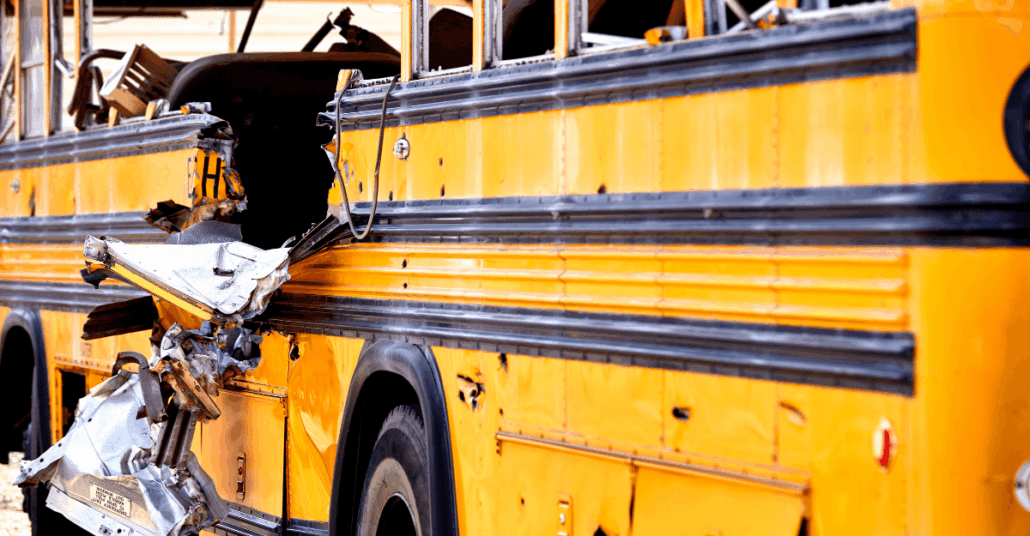
As summer wanes and the back-to-school season begins, roads across Connecticut fill with the familiar sight of bright yellow school buses. Parents entrust these vehicles with their most precious cargo, relying on them to transport children to and from school safely. While school buses remain one of the safest modes of transportation available, accidents can and do happen. When they do, the aftermath is often filled with confusion, fear, and a host of complex legal questions.
A collision involving a school bus is not like a typical car accident. The determination of fault can involve multiple parties, from the bus driver and a private bus company to a municipal school district or even parts manufacturers.
The Unique Nature of School Bus Transportation
School buses are designed with safety as a primary objective. Their large size, bright color, flashing lights, and stop-sign arms are all intended to make them highly visible and protect their occupants. However, these same characteristics can also contribute to specific types of risks. Their sheer mass means that any collision can impart tremendous force, and their frequent stops in traffic create situations where other, less attentive drivers can cause serious harm.
The law often holds school bus operators to a higher standard of care than typical drivers. As “common carriers,” they have a heightened duty to ensure the safety of their passengers. This means that a simple mistake or momentary lapse in judgment that might be excusable for another driver could be considered negligence in the context of school bus operation.
What Are the Common Causes of School Bus Accidents?
Investigating a school bus accident requires a thorough examination of all contributing factors. The cause is frequently not a single error but a combination of issues.
- Driver Negligence: This is a leading factor in many traffic accidents. For a school bus driver, negligence can take many forms, including speeding, distraction from students on the bus, fatigue, or impairment. It can also involve errors specific to the job, such as not waiting for students to be safely seated before moving or making improper stops.
- Negligence of Other Drivers: Many school bus-related injuries occur when other motorists fail to drive safely around the bus. This is especially true for accidents at bus stops, where drivers may illegally pass a stopped bus with its red lights flashing, striking a child who is crossing the street.
- Improper Bus Maintenance: School buses are complex machines that require regular, diligent maintenance. When a bus company or school district fails to properly maintain brakes, tires, steering components, or safety equipment like lights and stop arms, catastrophic failures can occur on the road.
- School District or Bus Company Failings: The entity that owns and operates the bus has significant responsibilities. These can include the proper hiring, training, and supervision of drivers. If a company hires a driver with a poor driving record or fails to provide adequate safety training, it may be held accountable for a resulting collision.
- Defective Equipment: In some cases, the fault may lie with the manufacturer of the bus or one of its components. A flaw in the design or manufacturing of the brakes, tires, or other critical systems could lead directly to an accident, creating a product liability claim.
- Hazardous Road Conditions: Poorly maintained roads, malfunctioning traffic signals, or obscured signage can also contribute to accidents. While less common, these factors may point to liability on the part of a government entity responsible for road maintenance.
Who Can Be Held Liable in a School Bus Accident?
One of the most complicated aspects of a school bus accident claim is identifying all the potentially liable parties. Unlike a simple two-car collision, liability can extend to several individuals and entities.
- The School Bus Driver: The operator of the bus is the most apparent potential defendant of their actions—such as speeding, distraction, or violating traffic laws—caused the accident.
- The School District or Private School: If the school district or a private institution owns the bus and employs the driver, it can be held vicariously liable for the driver’s negligence. The district could also be directly at fault for its own negligence, such as failing to provide proper training or supervision.
- The Private Bus Company: Many school districts contract with private companies for transportation services. In these cases, the private company may be liable for the actions of its driver, as well as for its own negligence in hiring, training, and maintenance protocols.
- Other Motorists: If another driver caused the collision by speeding, running a red light, or illegally passing the bus, that driver and their insurance company would be the primary target of a claim.
- Maintenance and Repair Shops: If a third-party mechanic performed faulty repairs on the bus’s brakes or steering, leading to a failure, that repair shop could be held accountable for the resulting harm.
- Manufacturers: If a defect in the bus itself or one of its parts was a substantial factor in causing the accident, a product liability claim may be brought against the manufacturer.
The Role of Governmental Immunity in Claims Against Public Schools
When a school bus accident involves a public school district, a unique and challenging legal doctrine known as “sovereign immunity” or “governmental immunity” comes into play. This principle generally protects government entities from being sued. However, Connecticut law provides exceptions to this rule, particularly for negligence involving motor vehicles.
Navigating a claim against a municipality or government entity is procedurally very different from suing a private person or company. There are strict notice requirements and shorter deadlines for filing a claim. A failure to provide proper, timely notice to the correct municipal body can result in the complete forfeiture of your right to recover damages. This is a critical reason why prompt consultation with a lawyer knowledgeable in this area of law is so important.
What Types of Injuries Are Common in School Bus Incidents?
Because of the forces involved and the vulnerability of child passengers, injuries from school bus accidents can range from minor to life-altering.
- Injuries to Bus Occupants: While buses are designed to be safe, the lack of seatbelts in many older models can lead to passengers being thrown around inside the vehicle during a collision. Common injuries include broken bones, head injuries like concussions, whiplash and other neck injuries, and deep lacerations.
- Injuries to Pedestrians (Students at Bus Stops): These are often the most severe incidents. A child struck by a vehicle while waiting for the bus or crossing the street to board can suffer catastrophic injuries, including traumatic brain injuries, spinal cord damage, internal injuries, and amputations.
- Emotional and Psychological Trauma: Beyond physical injuries, the experience of being in a serious accident can cause lasting emotional harm, especially for young children. This can manifest as anxiety, post-traumatic stress disorder (PTSD), and a fear of riding a bus or even being in a vehicle.
What Steps Should You Take After a School Bus Accident?
The actions taken in the hours and days following a school bus accident can have a significant impact on your child’s health and any future legal claim.
- Prioritize Medical Attention: Your first and most important priority is the health and well-being of your child. Ensure they receive a thorough medical evaluation, even if there are no immediate signs of injury. Some serious conditions, like internal injuries or concussions, may not present symptoms right away.
- Report the Incident: Make sure an official report is filed with the police. Also, report the incident to the school district and the bus company involved.
- Document Everything: Keep detailed records of everything related to the accident and your child’s injuries. This includes medical bills, names of doctors, dates of appointments, and any communications with the school or insurance companies. If possible, take photographs of the accident scene, vehicle damage, and any visible injuries.
- Gather Contact Information: If you are at the scene, get the names and contact information of the bus driver, other drivers involved, and any witnesses who saw what happened.
- Be Cautious with Statements: Avoid giving detailed statements or signing any documents from an insurance adjuster without first seeking legal advice. Initial settlement offers are often far less than what is needed to cover the full extent of the damages.
- Consult with a Knowledgeable Attorney: Due to the complexities involved, speaking with a personal injury attorney who has experience with commercial vehicle accidents is a vital step. A lawyer can help preserve evidence, handle communications with insurance companies, and ensure all filing deadlines are met.
What Kind of Compensation Can Be Recovered?
Victims of a school bus accident may be entitled to recover compensation for a wide range of damages. The goal of a personal injury claim is to make the victim whole again, at least from a financial standpoint. Recoverable damages may include:
- Medical Expenses: This covers all costs related to medical treatment, including emergency room visits, hospital stays, surgeries, physical therapy, medication, and any anticipated future medical care.
- Pain and Suffering: Compensation for the physical pain and emotional distress caused by the accident and the resulting injuries.
- Emotional Distress: This specifically addresses the psychological impact of the event, such as anxiety, fear, and PTSD.
- Lost Future Earning Capacity: If a student’s injuries are so severe that they will impact their ability to work and earn a living in the future, damages may be sought for this lost potential.
- Wrongful Death: In the most tragic cases where an accident results in a fatality, the family may pursue a wrongful death claim to recover for funeral and burial expenses, loss of financial support, and the loss of the child’s love and companionship.
Navigating the Complexities of a School Bus Accident Claim
Navigating the aftermath of a school bus collision is exceptionally complex, often involving municipal liability rules, multiple responsible parties, and strict legal deadlines. The legal team at Dodd Law Firm has the experience to investigate these sensitive cases thoroughly, from the driver’s actions to the school district’s policies. We are committed to securing the full compensation your family deserves, allowing you to focus on your child’s recovery. If your child was injured in a school bus accident in Connecticut, contact us today at (203) 272-2077 for a complimentary consultation to discuss your legal options.


Leave a Reply
Want to join the discussion?Feel free to contribute!